

How could News Corp Australia become an indispensable service provider to Australian corporates and government?
Client work · News Corp Australia

Innovation · enterprise AI
Making ideas visible—and disciplined enough to advance.
From 2017 into 2019, Fundamental Business worked across multiple projects, sponsors and management teams to help News Corp Australia search for ideas, improve them, compare them and decide what should move forward.
See the work ↓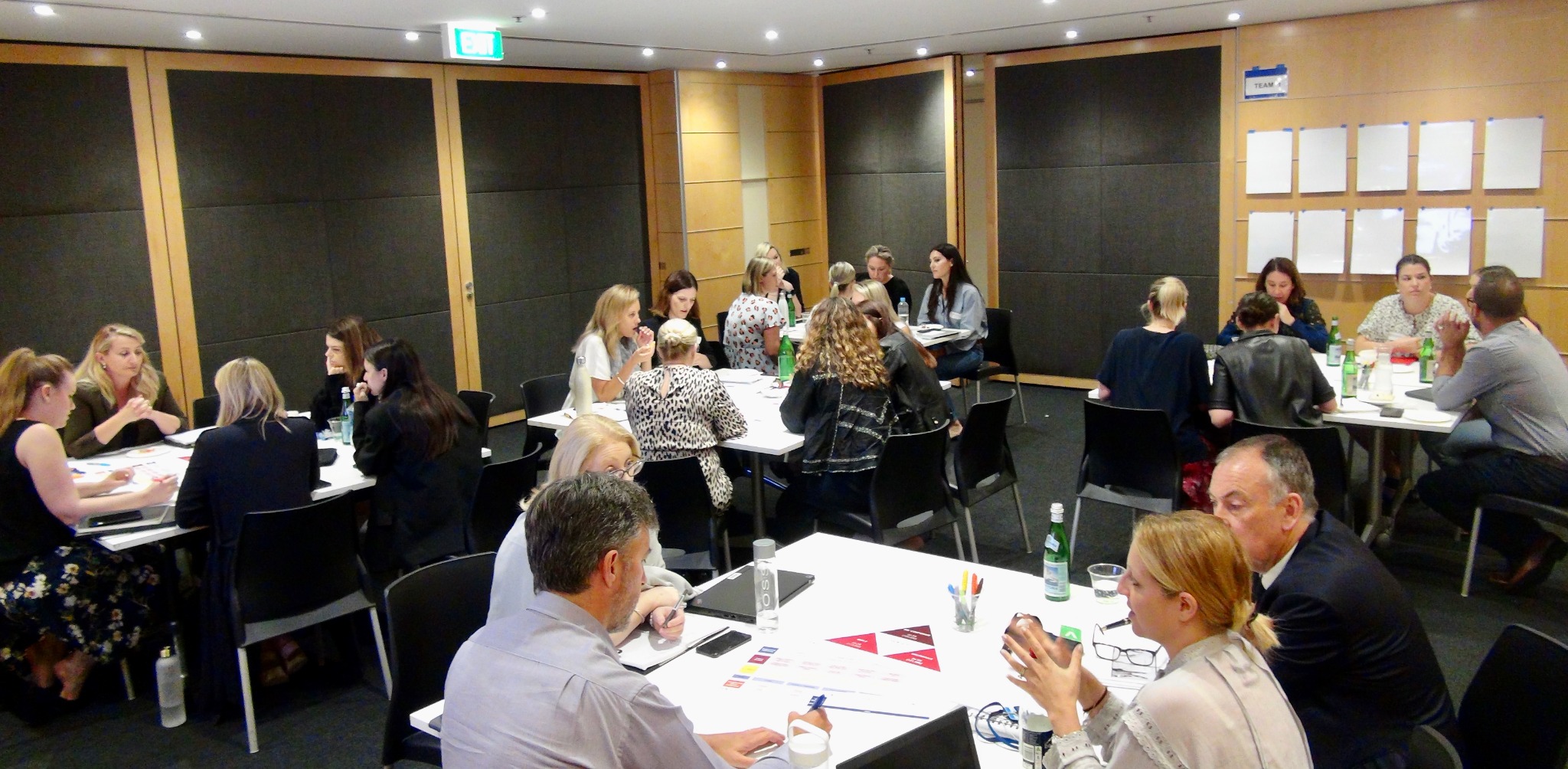
2017–2019intermittent, multi-project relationship
9coordinated Innovation Sprint streams
≈40leaders across the core innovation process
7ideas selected to progress to New York
The relationship
This was not one workshop.
The work unfolded intermittently over approximately 18 months or longer. It involved different executive sponsors, management teams, strategic questions and working formats.
Richard Skimin, General Manager, Mergers & Acquisitions and Strategy at the time, was a recurring relationship anchor. He helped open and shape assignments spanning enterprise innovation, AI discovery and NewsDNA category strategy.
Taken together, the work operated as a practical strategic partnership: responsive to the question at hand, but connected by a common way of working.
Multiple questions · one architecture
Not generic brainstorming. Serious questions about growth.
The 2017 program covered subscriptions, priority categories, B2B, SME marketing, programmatic and data, video, audio and mobile, FoxCo synergy, media reform and ideas beyond the existing strategy.
What categories have unmet needs where News Corp Australia could lead with a new business opportunity?
Which data-driven initiatives could significantly increase value for enterprise clients?
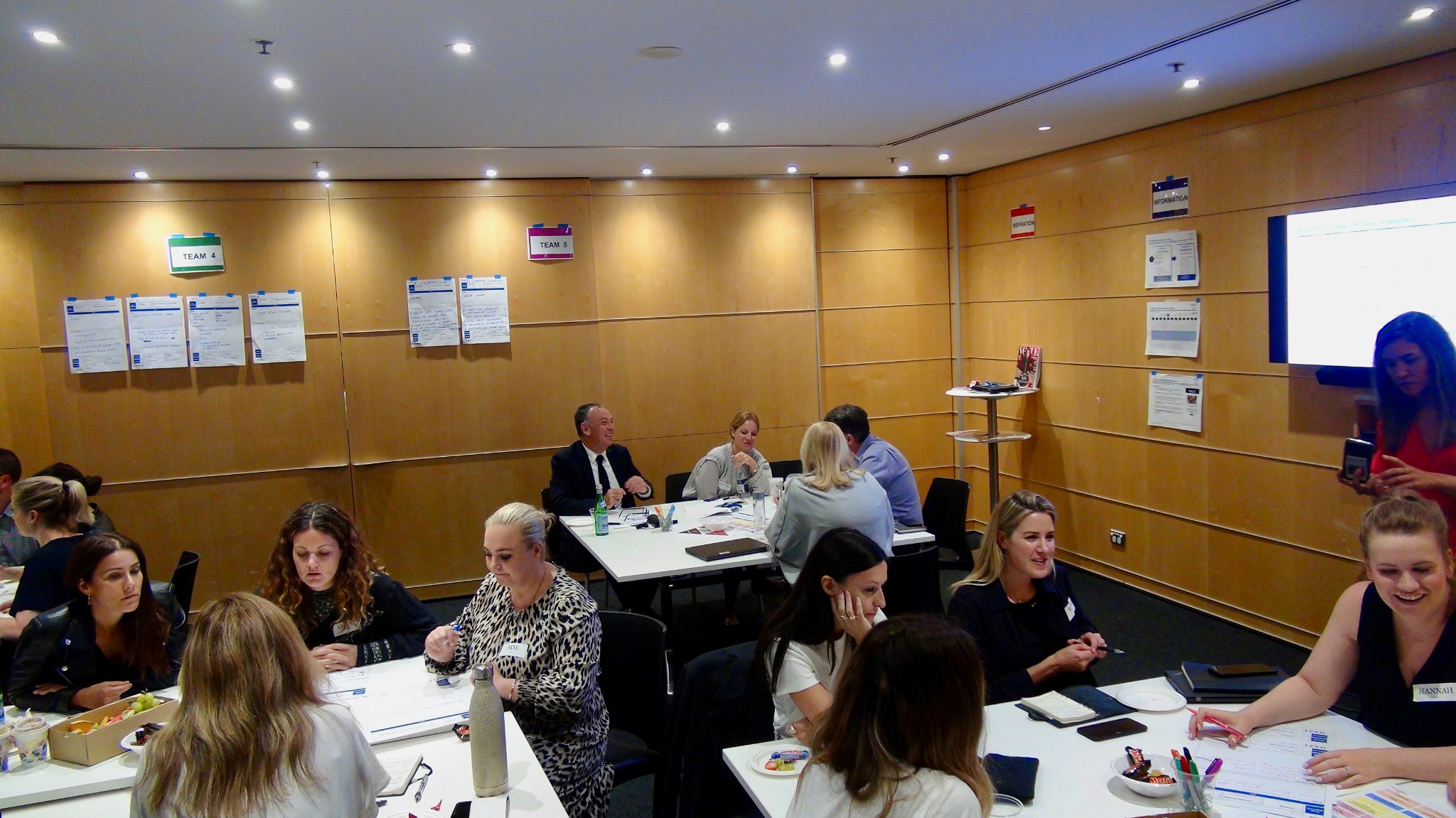
What completely new ways of looking at the business could open growth beyond the existing strategy?
Innovation Sprints
Every idea had to answer the same practical questions.
Participants arrived with a proposed big idea. Fundamental Storyboarding® gave each idea a consistent shape: What is it? Why is it important? What advantages could News Corp bring? How large might it become? What is the first step?
The format protected creativity without allowing the conversation to drift. People could see one another’s thinking, improve it and make informed choices under tight time constraints.
Draw
Put the first version of the idea on paper.
Share
Explain the thinking in the participant’s own voice.
Improve
Build on the idea through questions and discussion.
Vote
Make preferences and judgement visible.
Select
Choose what deserves the next investment of attention.
Visible participation
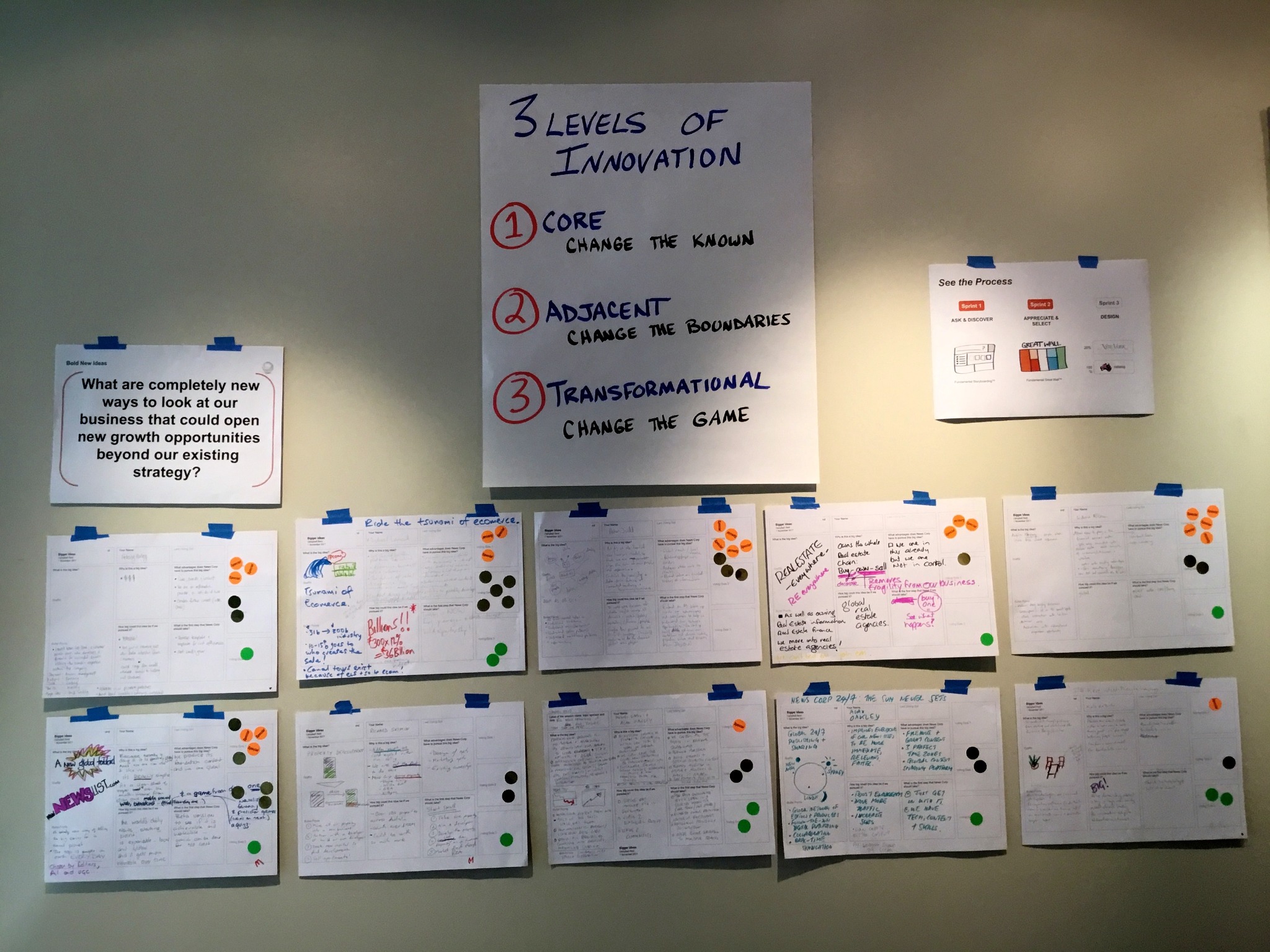
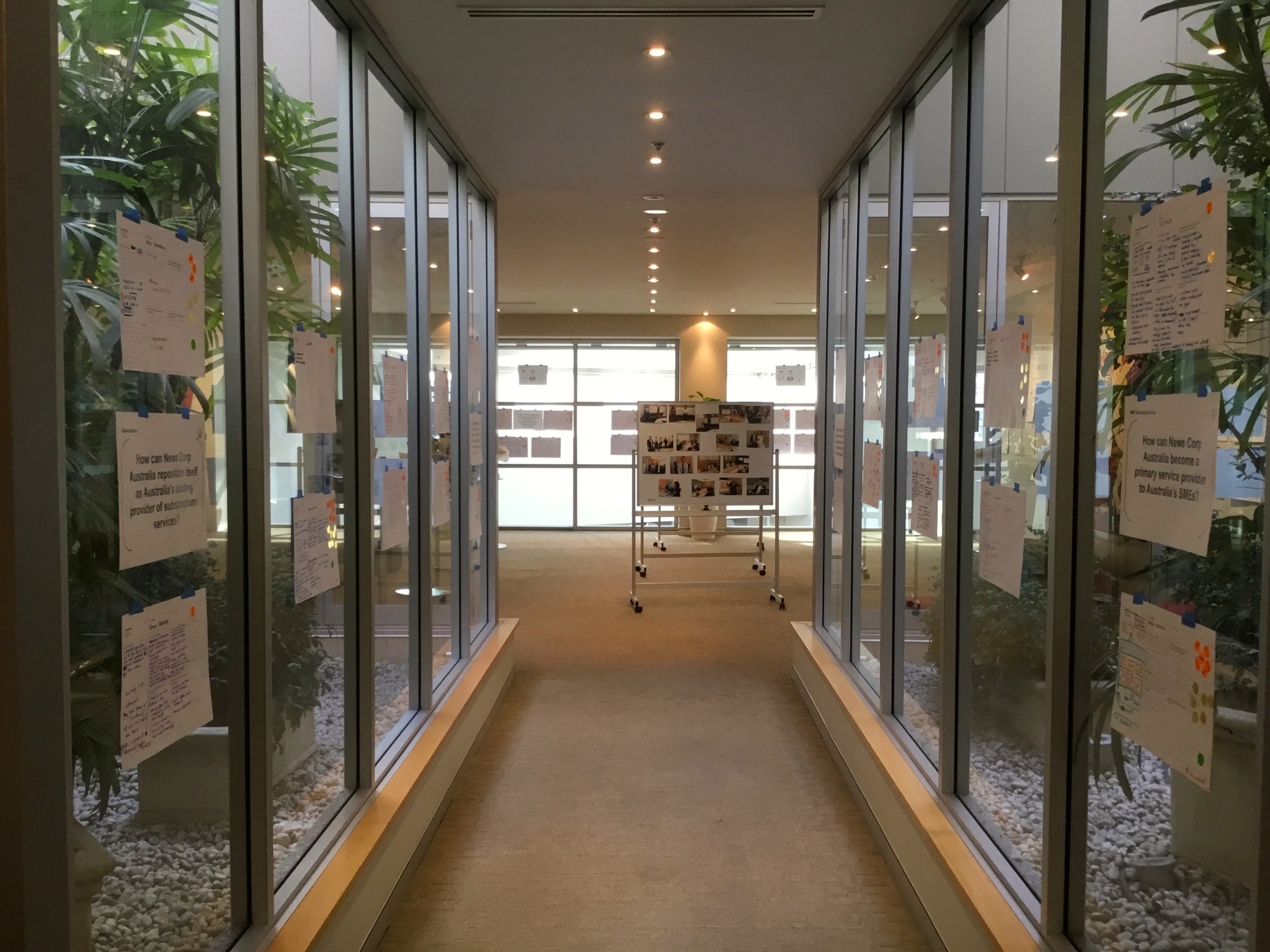
Hundreds of ideas, in the handwriting of the people who created them.
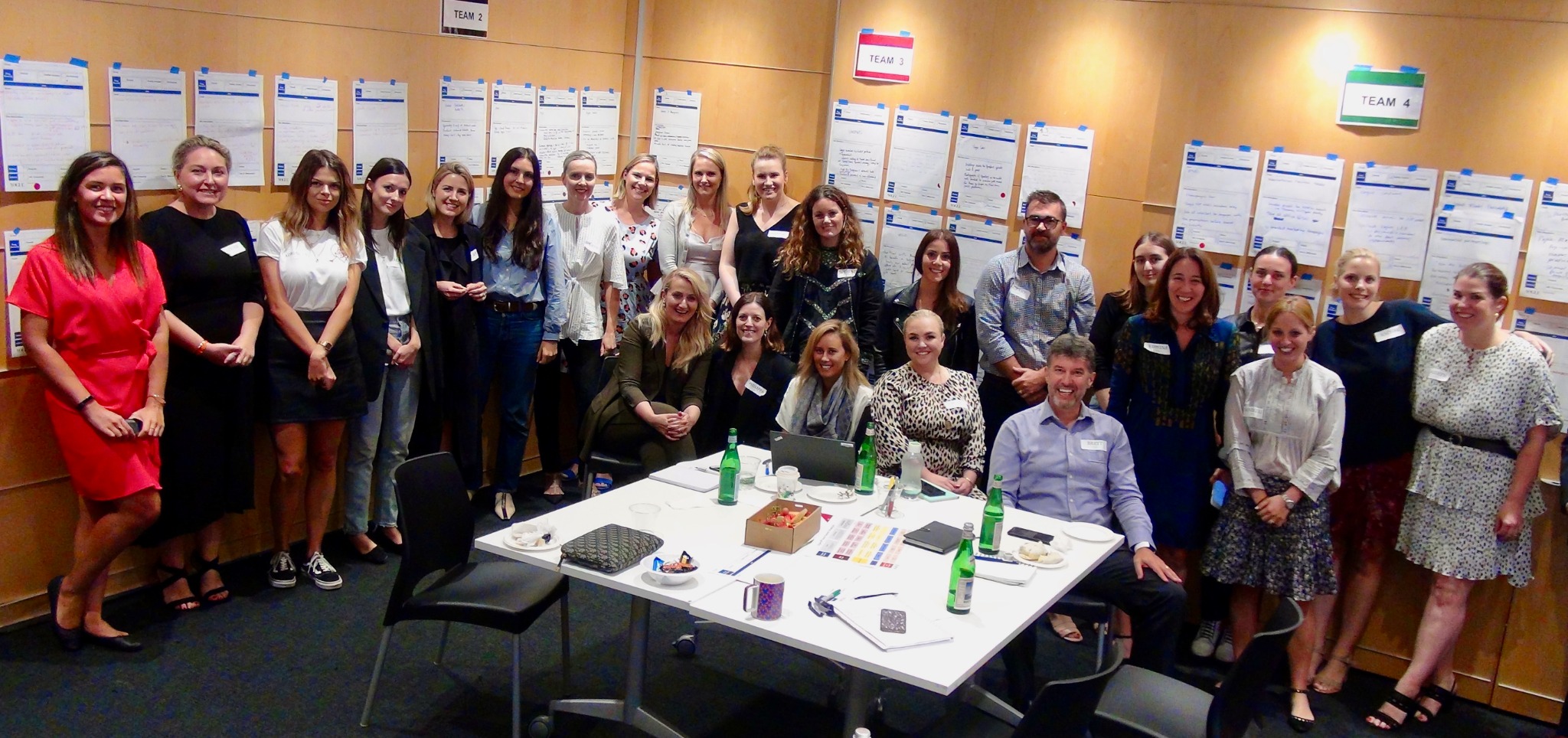
Executive leaders, managers and specialists from strategy, editorial, digital, technology, data, commercial, product, category leadership and related businesses contributed across the process.
The wider organisational audience was larger than the core workshop group. The distinction matters: approximately 40 leaders participated in the core innovation process, while many more people encountered the work through the closing showcase and gallery.
A comparable portfolio of thinking
Different ideas could be considered on a common basis.
The structure allowed continuous improvement, adjacent opportunities and more transformational propositions to sit in one field without pretending they carried the same level of risk, effort or potential.
Ideas were not reduced to winners and losers. Those not selected for New York could still be carried into strategic roadmaps where sponsors believed they had merit.
Make the work visible
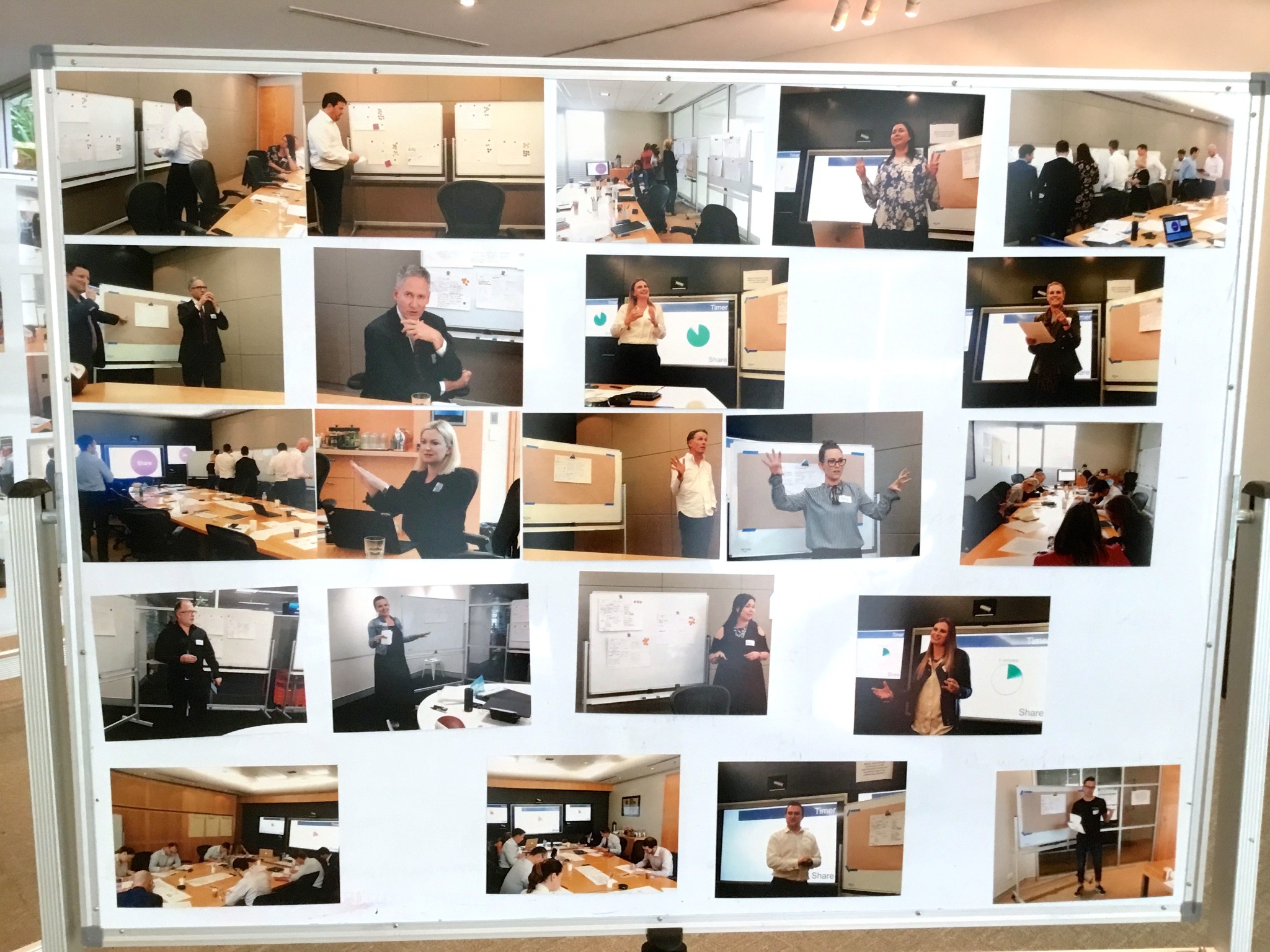
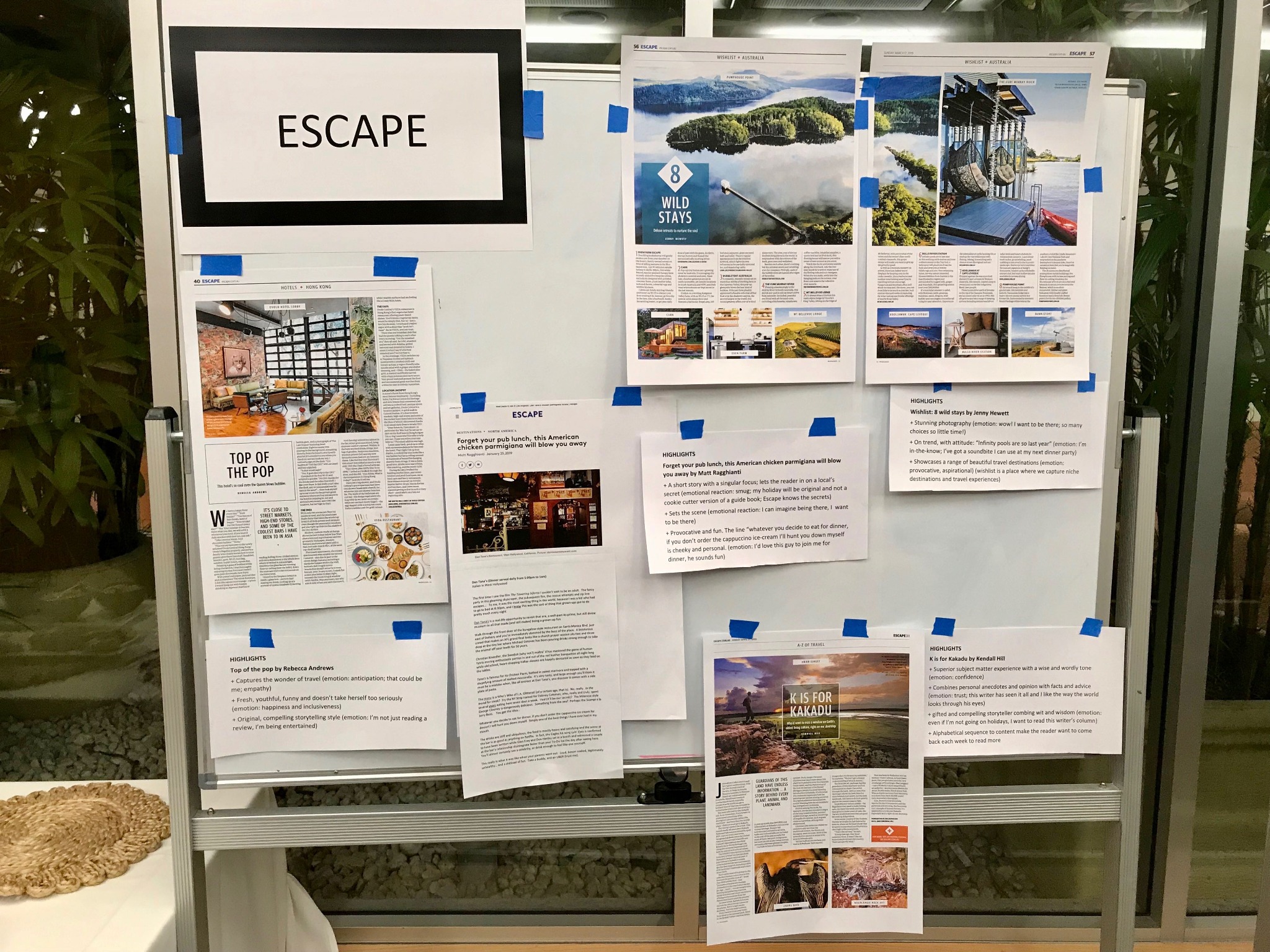
The ideas stayed on the walls.
Executives and key participants walked through approximately 30 leading ideas before the final selection. The strongest work then moved into an Atrium showcase and photo gallery that remained open for several days.
What moved forward
Seven ideas travelled to New York.
From hundreds of ideas generated and shaped in Australia, seven innovation concepts were selected for presentation in New York.
News Corp’s executive team there asked to see a focused short list developed by their Australian colleagues. That next step carried the work beyond the workshop room and into senior consideration.

From a program to an architecture
Search. Select. Activate.
By 2018, the work had developed into a proposed Greenhouse Framework: a repeatable way to gather ideas from multiple sources, broaden participation, catalogue opportunities, select a smaller number and plan activation.
Fundamental Sprints supported the Search and Select stages. Fundamental Grid® appeared in the designed Activate stage to make ownership, actions, questions, events, checkpoints and sequence visible.
The architecture was designed to maintain control of ideas, intellectual property, teamwork, investment and timing. It should be understood as a designed system—not a claim that it became permanent enterprise infrastructure.
From innovation to enterprise AI
Could AI help power the big ideas?
That question extended the relationship into a structured AI discovery sponsored by Nicole Sheffield, with Christopher Gale helping shape the work. Both roles are those held at the time.
Connect
Link the innovation agenda to the possibilities of AI.
Discover
Interview stakeholders and audit current capability.
Frame
Create shared language, priorities and an operating rhythm.
Demystifying AI · 2018
A business inquiry, not speculative technology commentary.
The work assessed whether a common AI language existed, where AI was already being applied, where it could contribute to growth and performance, which role models mattered and what ambition News Corp Australia might set.
The final paper framed—not claimed implementation of—common language, data foundations, quick wins, an all-of-business prioritisation approach, external benchmarking, priority use cases and internal knowledge transfer.
01
Where was AI already being applied across the business?
02
Which products could experience a genuine step-change through AI?
03
What business results should each deployment seek?
04
What operating rhythm would keep the work practical and coordinated?
Category-level application · 2019
The working method moved closer to real products and audiences.
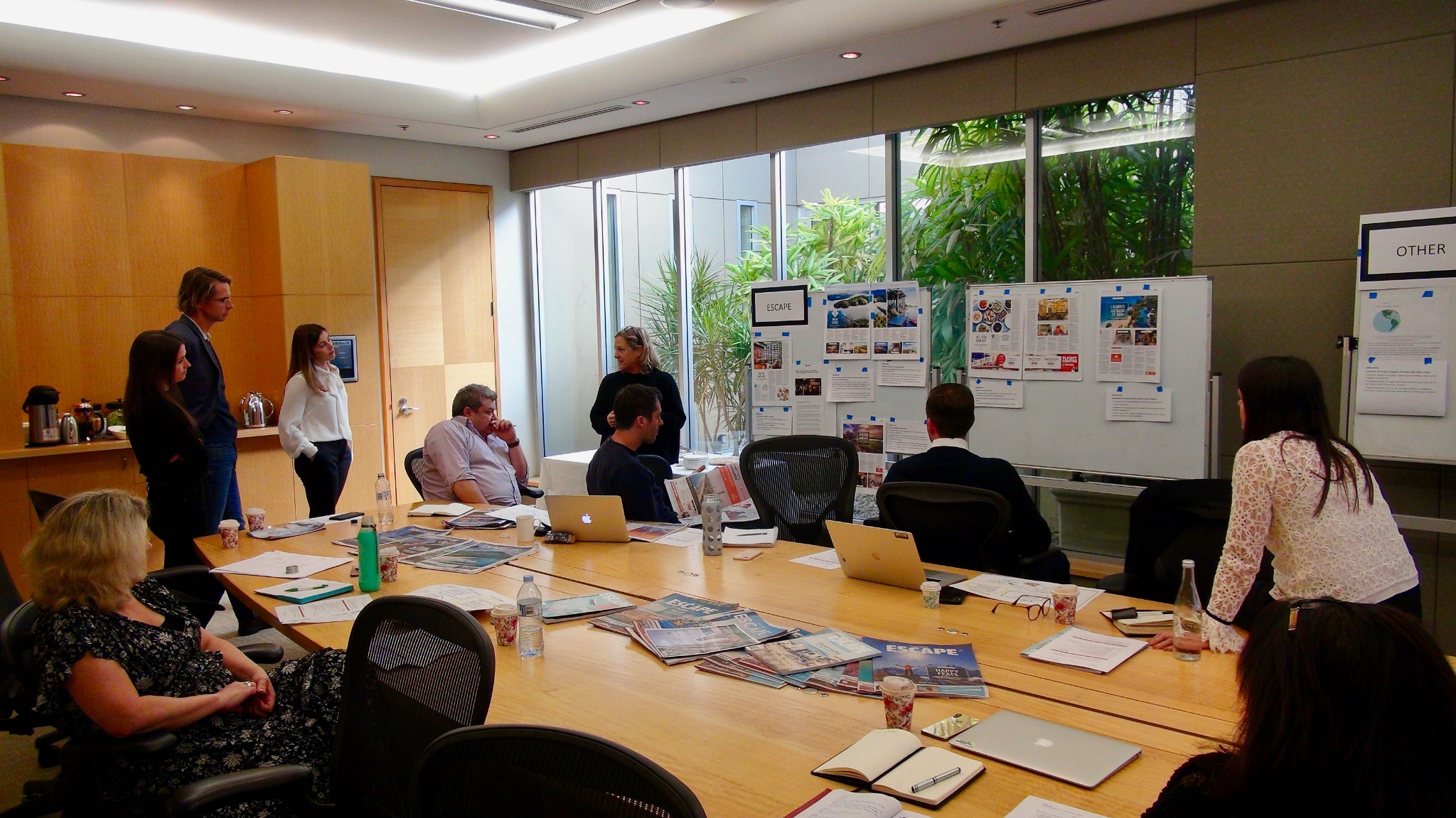
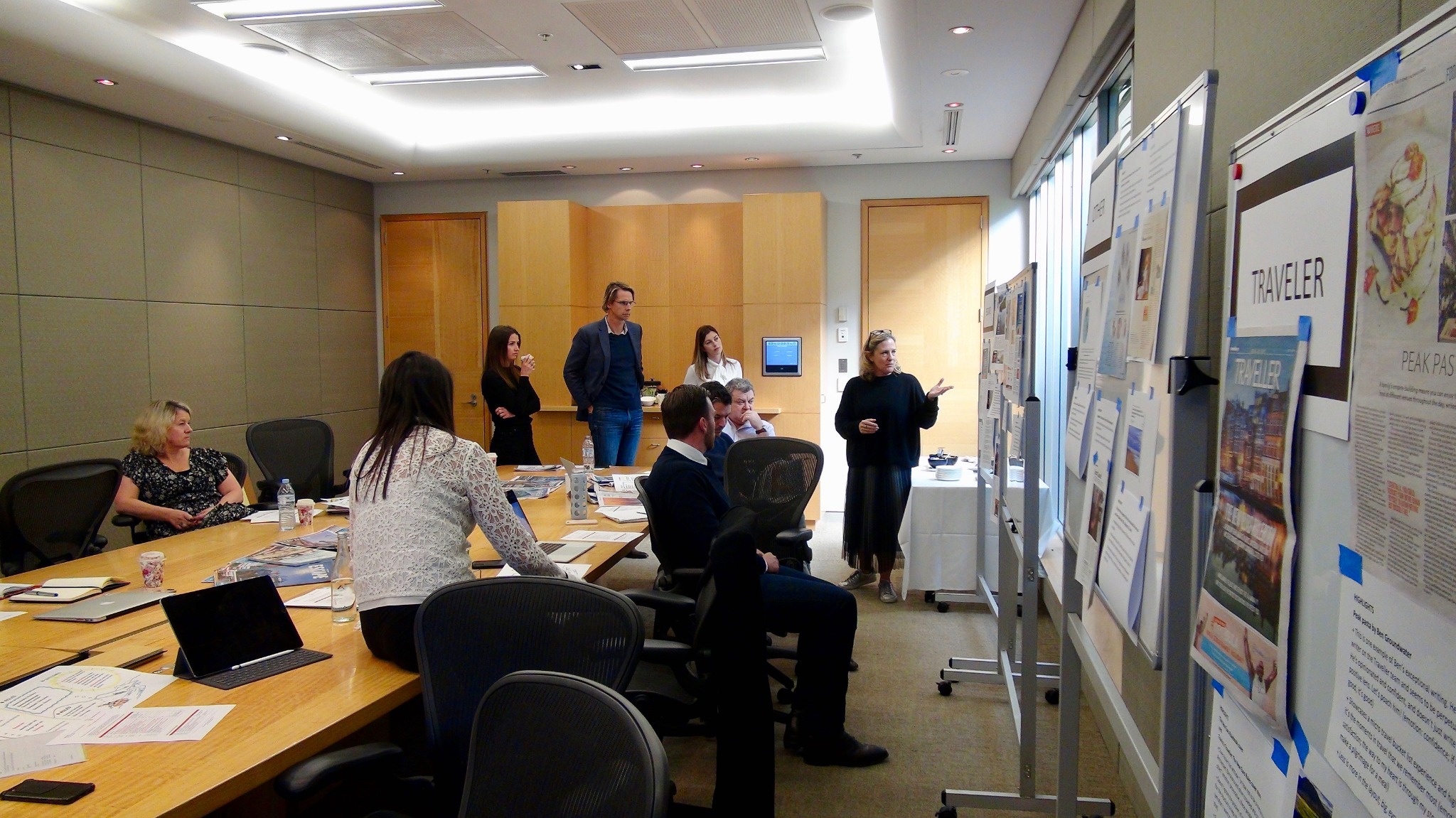
The relationship later extended into NewsDNA category strategy across areas including WHIMN, Vogue, Metros, Sport and Wagering, Video, Food, news.com.au and Travel. The work remained adaptive: priorities shifted, some verticals were delayed and sponsors needed different formats.
The workshop lacked energy, focus and enthusiasm from the participants. I began to realise that is one of your greatest skills that you bring to workshops.
Richard Skimin
General Manager, Mergers & Acquisitions and Strategy · News Corp Australia · role held at the timeA closing reflection
The strongest outcome was not the number of ideas alone. It was the quality of the conversations that produced them.
Creative people worked in their own handwriting, with sketches and rough sizing, under tight time limits. The architecture made that thinking visible without stripping away its humanity. Participation was authentic. Facilitation was active. Selection was disciplined.
Discuss a situation Return to Client Work →