ONE-TO-ONE STRATEGIC COUNSEL
A regular, candid working relationship in which the CEO can test ideas, examine difficult choices, anticipate defining moments and think beyond the immediate pressure of the week.

 Start a conversation
01 | Strategic advisory partnerships
A sustained strategic relationship centred on the CEO and extending into the leadership team when the work requires shared visibility, broader authorship and coordinated action.
Fundamental Business combines one-to-one strategic counsel, well-designed participation and practical execution support—creating continuity without manufacturing activity.
Why this form of relationship
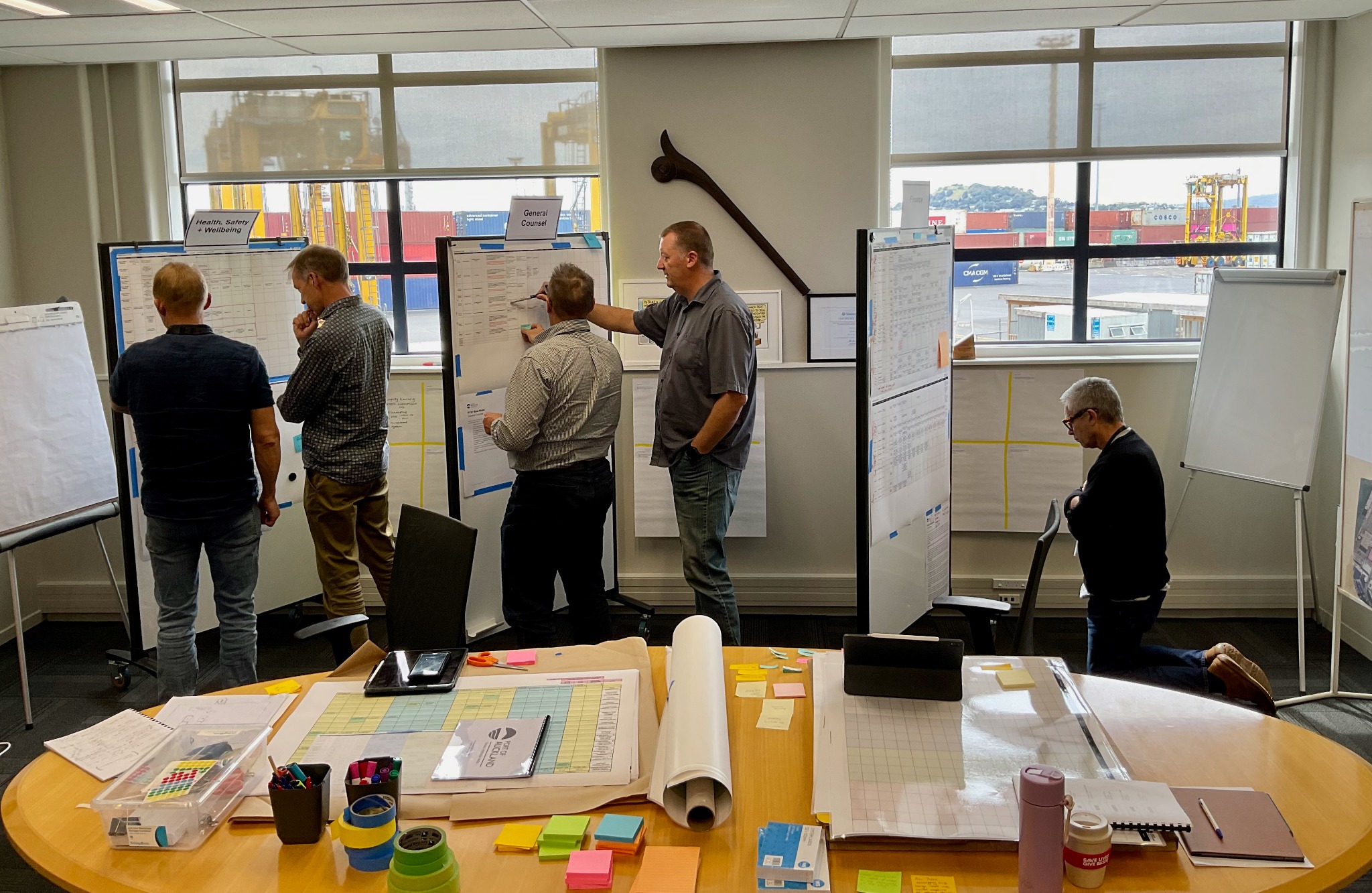
At consequential moments, a CEO may need more than a report, a coaching conversation or a single workshop. The value lies in having an independent thinking partner close enough to understand the enterprise, candid enough to challenge and practical enough to help decisions travel into action.
Each partnership has enough structure to create continuity, but not enough bureaucracy to manufacture activity. The work flexes around the questions, decisions and moments that matter most.
Shared visibility creates alignment.
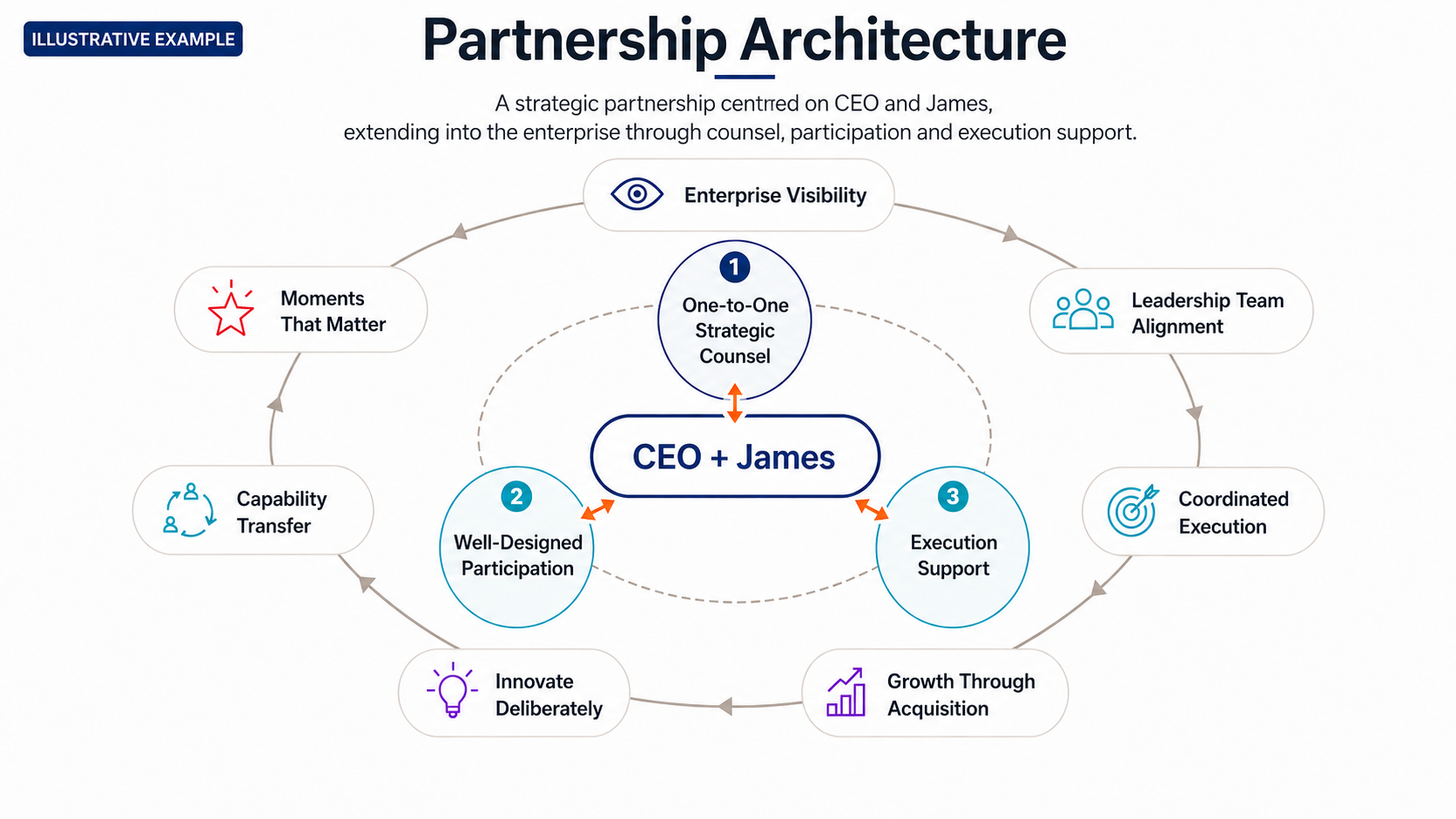
Partnership architecture
The dimensions are distinct, but most valuable when used together.
A regular, candid working relationship in which the CEO can test ideas, examine difficult choices, anticipate defining moments and think beyond the immediate pressure of the week.
Focused work with the right leadership, functional, location, customer or specialist voices when a question requires shared understanding, broader authorship or execution ownership.
Work between sessions to organise thinking, create visible artefacts, clarify priorities and dependencies, capture decisions and keep momentum from dissolving after the meeting.
Participation by design
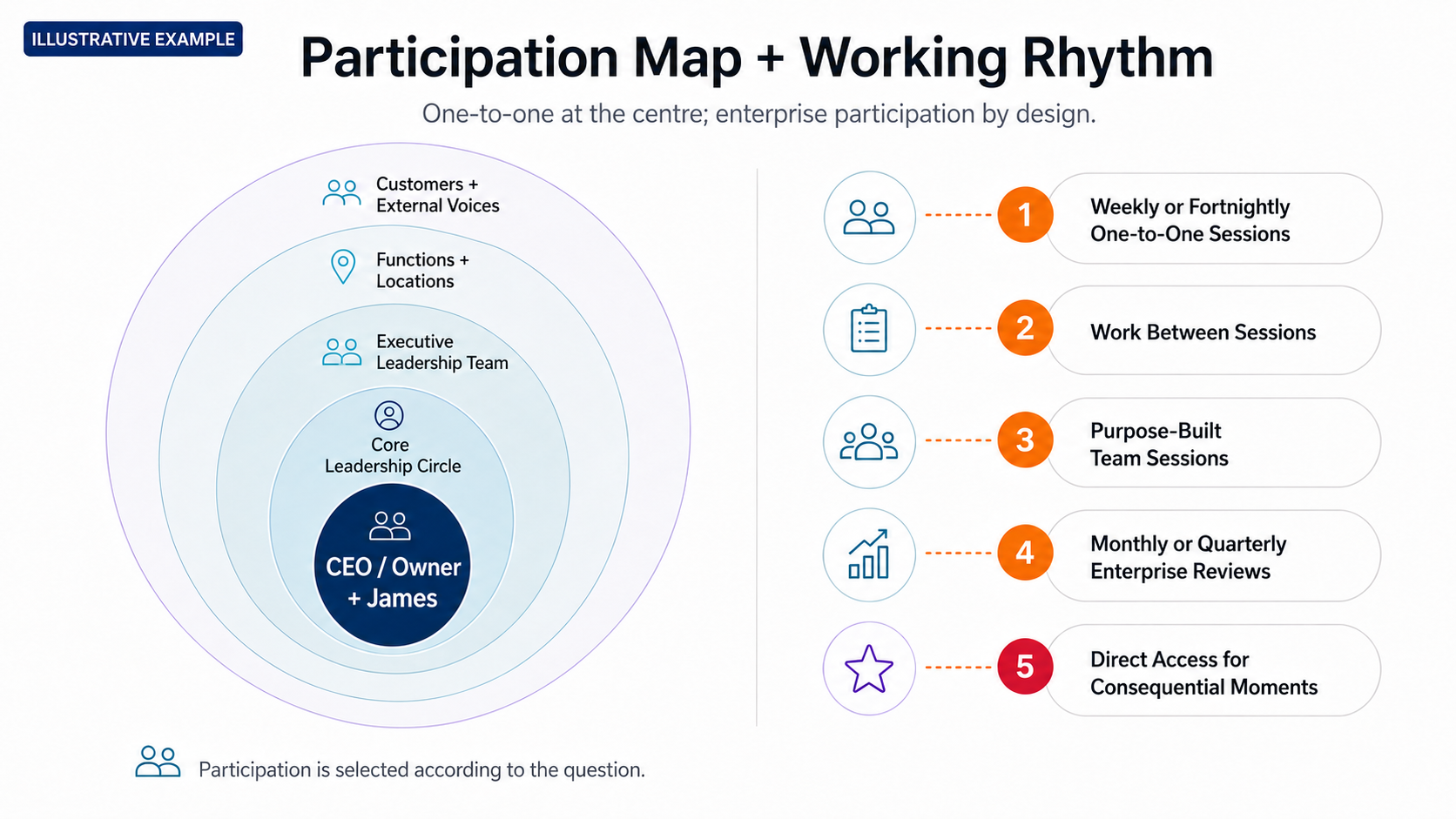
Different questions require different circles of participation. We resist both inviting everyone to everything and trying to solve enterprise questions privately.
The aim is to involve the smallest circle capable of understanding the question, making the decision and carrying the work forward.
Participation is selected according to the question.
Where the partnership can be useful
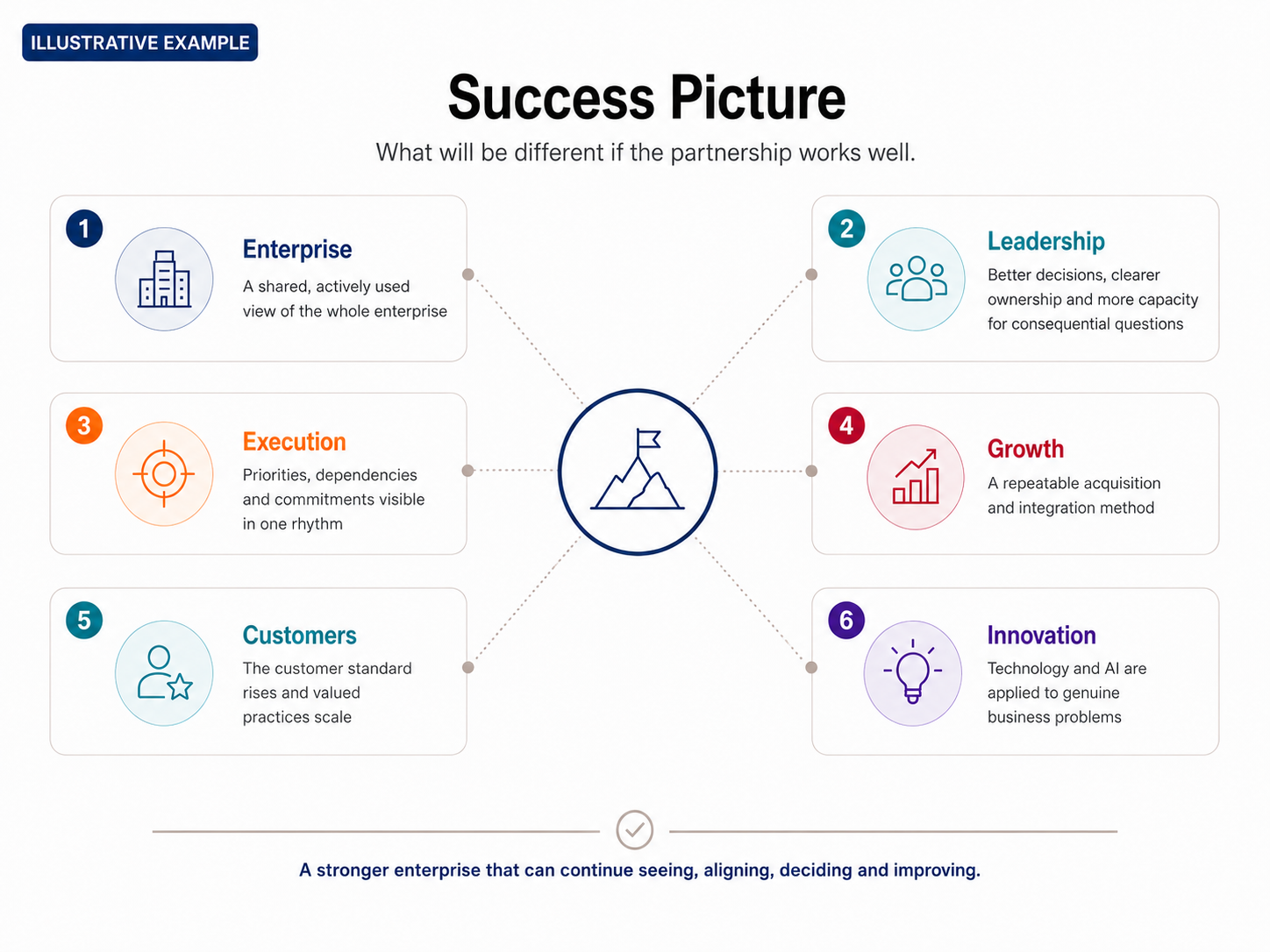
A partnership may move between several connected domains as the enterprise picture develops.
Construct a shared view of the whole enterprise and determine what genuinely deserves attention next.
Help leaders see the same situation, make the necessary choices and coordinate their contribution.
Turn ambition into visible priorities, responsibilities, dependencies and a practical rhythm of execution.
Apply repeatable discipline from opportunity and decision through integration, learning and capability transfer.
Connect customer insight, improvement, technology and AI to genuine enterprise problems and measurable value.
Strengthen internal leadership, methods and confidence so the enterprise becomes more capable—not more dependent.
Methods in service of the work
Each partnership draws from the Fundamental Business library of methods, questions, visual artefacts and facilitation designs developed and refined across real enterprise settings.
The material is adapted to the situation rather than imposed as a fixed programme. The method serves the enterprise question—not the other way around.
How a partnership may begin
The opening chapter is designed around the enterprise and will vary according to the situation. The progression, however, should remain practical and evidence-led.
Establish the working rhythm, review the CEO’s emerging observations, conduct selected leadership conversations and construct the first shared view of the enterprise.
Early evidence: a visible synthesis of strengths, gaps, tensions and Questions That Matter.Test differences in perspective, clarify the few enterprise priorities that deserve coordinated attention and make the resources, trade-offs and dependencies behind them visible.
Early evidence: agreed priorities and the first deeper applications of the partnership.Translate priorities into visible commitments, agree the Moments and Milestones that matter, establish a practical review cadence and design the next circles of participation.
Early evidence: coordinated action and a working rhythm that can continue.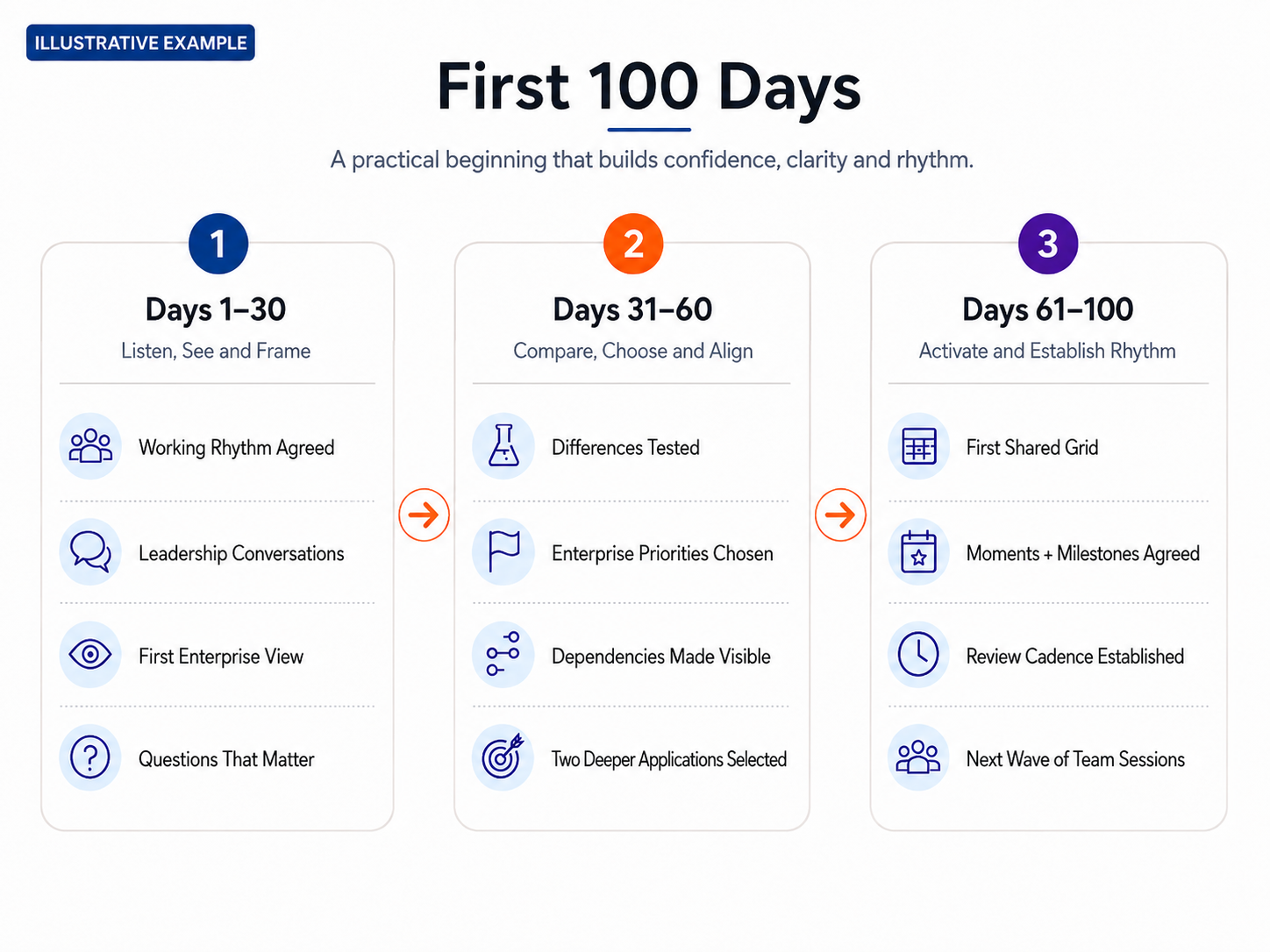
How progress is judged
A long-term partnership should not be judged only by meetings held or documents produced. We look for pivotal shifts in understanding and observable evidence that the enterprise is building capability.
A shift occurs.
Evidence appears.
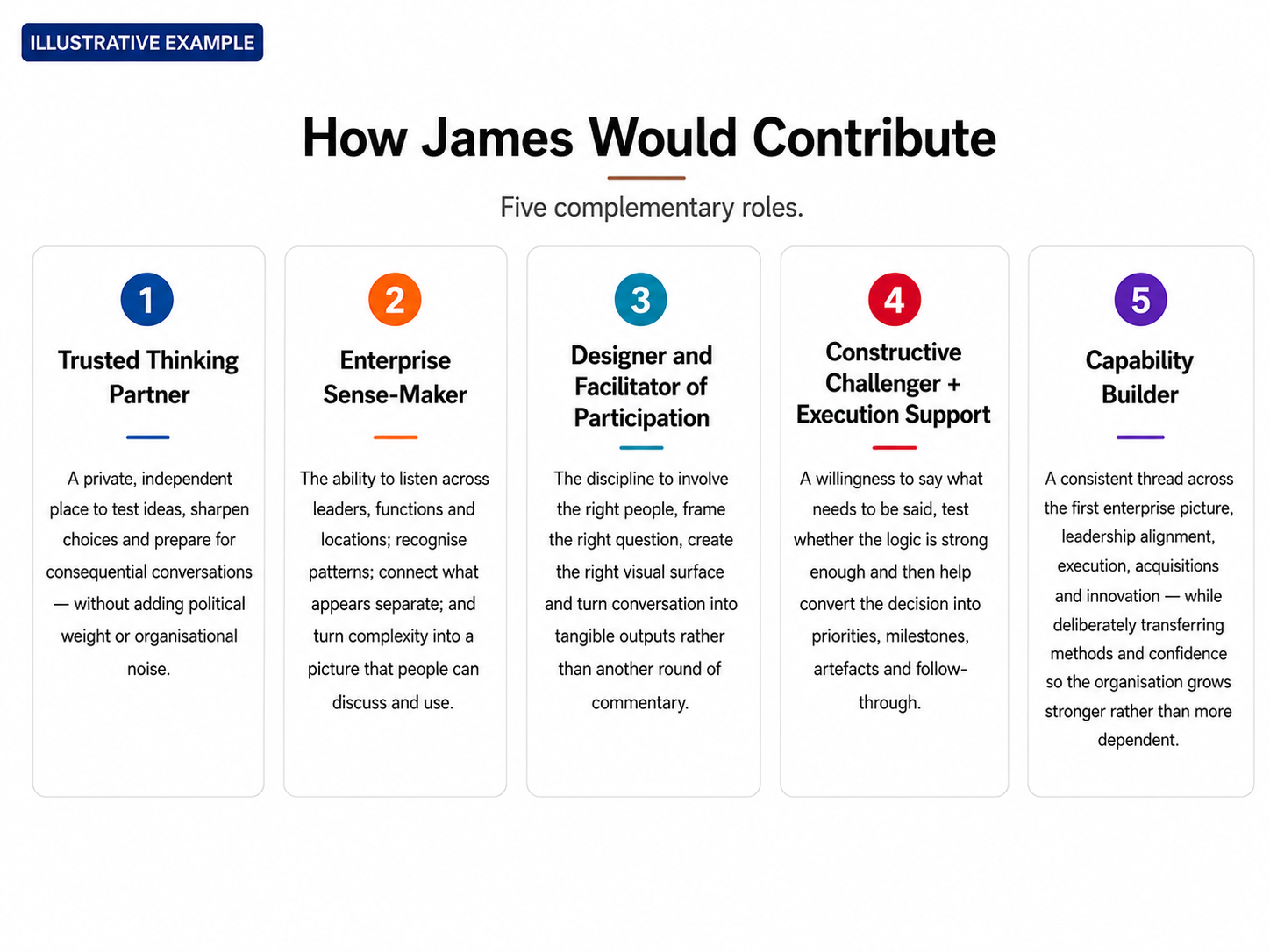
How James contributes
A useful beginning
A useful first conversation explores what is happening, why it matters, who needs to participate and whether a strategic advisory partnership is the right form of help.
Start a conversation